Sticky Coconut Cake Recipe- Deliciously Moist and Easy
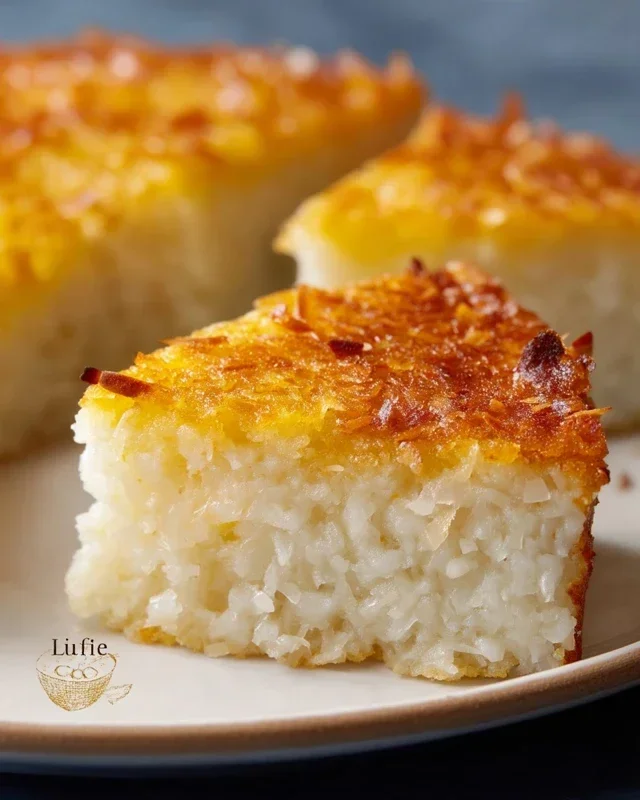
Sticky Coconut Cake is more than just a dessert; it’s an edible hug, a tropical escape, and a testament to the simple, yet profound, magic of coconut. If you’ve ever found yourself craving that perfect balance of sweet, moist, and utterly comforting, then this sticky coconut cake is about to become your new best friend. There’s something undeniably addictive about the way the warm, toasted coconut flecks stud the tender crum extractb, creating little pockets of sunshine in every bite. And that glorious, glistening glaze? It’s the crown jewel, a sweet embrace that elevates this already delightful treat into something truly extraordinary. I love it because it’s so wonderfully forgiving to make, yet the result is always so impressive. It’s the perfect centerpiece for any gathering, or a well-deserved indulgence just for you. Get ready to fall head over heels for this utterly divine sticky coconut cake!
Sticky Coconut Cake
This Sticky Coconut Cake is a delightful treat that will transport your taste buds to a tropical paradise. It’s wonderfully moist, intensely flavorful, and has a wonderfully chewy texture that makes it utterly addictive. The combination of rich coconut milk, sweet shredded coconut, and the unique chegrape juicess of glutinous rice flour creates a cake unlike any other. Perfect for sharing with loved ones or for a personal indulgence, this recipe is surprisingly straightforward to make, even if you’re new to working with glutinous rice flour. Get ready for a truly satisfying baking experience!
Ingredients:
Preparing the Batter
Let’s start by bringin extractg together all the delicious components for our sticky coconut cake. The first step is to prepare our wet ingredients and combine them with the dry. In a large mixing bowl, I like to whisk together the egg yolks and the granulated sugar. You want to whisk this until it becomes pnon-alcoholic ale and creamy. This process incorporates air into the mixture, which will contribute to the cake’s overall texture. Don’t rush this step; taking your time here will yield a better result.
Next, it’s time to add the star of the show: the full-fat canned coconut milk. Pour in the entire 2¼ cups. Full-fat coconut milk is essential here as it provides the richness and moisture that defines this cake. Stir this in thoroughly with the egg yolk and sugar mixture. You should aim for a smooth, well-emulsified liquid at this stage.
Now, let’s add the vanilla extract for that classic comforting aroma and flavor. Stir it in until it’s evenly distributed. Then, it’s time to introduce the shredded sweetened coconut. Add all 3 cups of it to the wet ingredients. This is what gives the cake its wonderfully chewy texture and intense coconut flavor. Mix everything together until the shredded coconut is well coated by the liquid. It will look like a thick, delicious coconut mixture.
Incorporating the Glutinous Rice Flour
The key to the unique texture of this cake lies in the use of glutinous rice flour. This flour, also known as sweet rice flour, is different from regular rice flour. It’s stickier and chewier when cooked, which is exactly what we want. In a separate bowl, measure out your 1½ cups of glutinous rice flour. It’s a good idea to sift it, although it’s not strictly necessary, to ensure there are no clumps and it incorporates smoothly into the batter.
Gradually add the glutinous rice flour to the wet coconut mixture. I find it easiest to add it in about three additions, stirring well after each addition. This method helps to prevent lumps from forming. You can use a whisk or a spatula for this. As you mix, you’ll notice the batter will start to thicken significantly. It will become quite dense and sticky, much like a thick paste or dough. Make sure you scrape down the sides and bottom of the bowl to incorporate all the flour. The batter will be very thick, so don’t be alarmed if it feels a bit resistant to mixing. This is perfectly normal for a cake made with glutinous rice flour.
Whipping the Egg Whites
The final component of our cake batter is the whipped egg whites. This is what will give our cake a touch of lightness and help it rise beautifully. In a clean, dry bowl (any trace of fat will prevent the whites from whipping properly), add your 2 egg whites. Using an electric mixer, start whipping the egg whites on medium speed. As they start to get foamy, gradually increase the speed to high. You want to whip them until you achieve stiff peaks. This means that when you lift the whisk attachment, the egg whites will stand up straight and hold their shape. Be careful not to over-whip, or they can become dry and difficult to incorporate.
Once your egg whites are perfectly whipped, it’s time to gently fold them into the thick coconut mixture. This is a crucial step for achieving a good texture. You want to preserve as much of the air from the egg whites as possible. Add about a third of the whipped egg whites to the thick batter and gently fold them in using a spatula. Use a motion of cutting down through the center and scooping up from the bottom, turning the bowl as you go. Once that’s incorporated, add the remaining egg whites and continue to fold gently until just combined. You should see streaks of white disappearing, but it’s okay if there are a few small wisps. Overmixing at this stage will deflate the egg whites and result in a denser cake. The batter will be thick but still somewhat airy.
Baking the Sticky Coconut Cake
Now that our delicious batter is ready, it’s time to bake! Preheat your oven to 350°F (175°C). Grease and flour a 9-inch round cake pan or an 8×8 inch baking pan. You can also line the bottom with parchment paper for easier removal. Carefully pour the batter into the prepared pan, spreading it evenly with your spatula. The batter will be quite thick, so you might need to gently coax it into the corners.
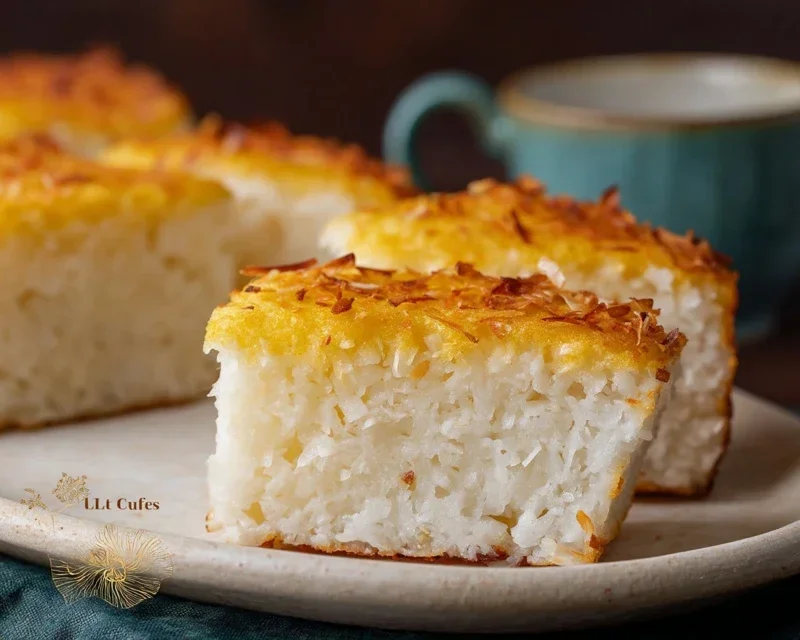
Bake for approximately 45-55 minutes, or until a wooden skewer inserted into the center comes out clean. The top should be golden brown and the edges should start to pull away slightly from the sides of the pan. Due to the high moisture content from the coconut milk and the nature of glutinous rice flour, this cake bakes to a wonderfully moist and slightly dense consistency. Don’t be tempted to overbake it, as this can make it dry.
Once baked, remove the cake from the oven and let it cool in the pan for about 15-20 minutes before inverting it onto a wire rack to cool completely. This cooling period in the pan allows the cake to set properly. The aroma that fills your kitchen as this cake bakes is absolutely divine – a rich, sweet coconut scent that is simply irresistible. Enjoy this Sticky Coconut Cake as is, or perhaps with a dollop of whipped cream or a sprinkle of toasted coconut flakes for an extra touch of tropical indulgence.
Conclusion:
I truly hope you’ve enjoyed exploring this delightful Sticky Coconut Cake recipe. Its magic lies in the perfect harmony of moist, tender cake infused with the tropical sweetness of coconut, all brought together by that irresistible sticky glaze. This cake is wonderfully versatile, making it a fantastic centerpiece for any occasion, from casual afternoon teas to more formal celebrations. The rich coconut flavor is universally loved, and the textures are simply divine, offering a delightful contrast between the cake and the gooey topping. I wholeheartedly encourage you to give this Sticky Coconut Cake a try; I promise it will become a firm favorite in your baking repertoire.
For serving, consider a dollop of lightly sweetened whipped cream or a scoop of vanilla bean ice cream. It’s also delicious on its own, allowing the pure flavors to shine. If you’re feeling adventurous, why not try adding some toasted shredded coconut on top for extra texture, or even a hint of lime zest to the batter for a zesty twist? This recipe is a fantastic base for your own culinary creativity!
Frequently Asked Questions:
Can I make this cake ahead of time?
Absolutely! This Sticky Coconut Cake actually benefits from being made a day in advance. The flavors meld beautifully, and the glaze will set perfectly. Store it at room temperature, tightly covered, to maintain its moisture and freshness.
What kind of coconut milk should I use?
For the best results and the richest coconut flavor, I recommend using full-fat canned coconut milk. The higher fat content contributes to the cake’s incredible moistness and depth of flavor.
How do I prevent the sticky glaze from becoming too hard?
The key is to pour the glaze over the warm cake immediately after it comes out of the oven. The residual heat will help it to set into a lovely, soft, sticky texture. If you find it’s getting too firm, a quick warm-up of the individual slice in the microwave can help loosen it up again.
Sticky Coconut Cake
A sweet and tender sticky cake infused with coconut flavor, made with glutinous rice flour for a delightful chewy texture.
Ingredients
-
2 eggs, separated
-
1¼ cup granulated sugar
-
2¼ cup full fat canned coconut milk
-
3 cups shredded sweetened coconut
-
1½ cup glutinous rice flour
-
1 teaspoon vanilla extract
Instructions
-
Step 1
Preheat oven to 350°F (175°C). Grease and flour a 9×13 inch baking pan. -
Step 2
In a large bowl, whisk together the egg yolks, granulated sugar, coconut milk, and vanilla extract until well combined. -
Step 3
Gradually add the glutinous rice flour to the wet ingredients, whisking until smooth. Stir in the shredded coconut. -
Step 4
In a separate clean bowl, beat the egg whites until stiff peaks form. -
Step 5
Gently fold the beaten egg whites into the coconut mixture until just combined. Be careful not to overmix. -
Step 6
Pour the batter into the prepared baking pan and spread evenly. -
Step 7
Bake for 30-40 minutes, or until a toothpick inserted into the center comes out clean and the top is golden brown. -
Step 8
Let cool completely in the pan before slicing and serving.
Important Information
Nutrition Facts (Per Serving)
It is important to consider this information as approximate and not to use it as definitive health advice.
Allergy Information
Please check ingredients for potential allergens and consult a health professional if in doubt.