Easy Chimichurri Sauce Recipe- The Ultimate Fresh Flavor
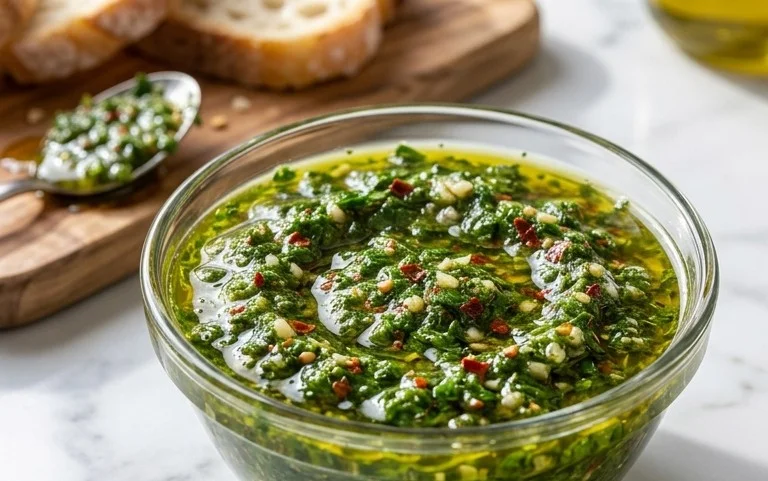
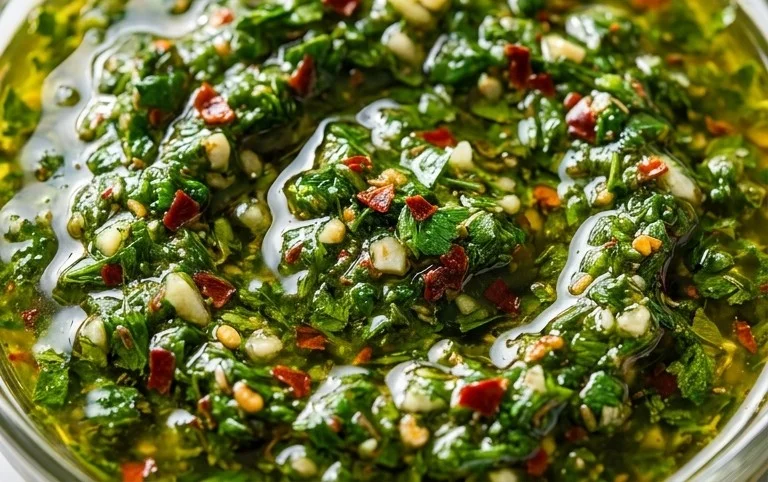
Chimichurri sauce recipe time! If you’re anything like me, you’re always on the hunt for that perfect, vibrant condiment that can elevate anything from grilled steak to roasted vegetables. Well, look no further, because we’re about to unlock the secrets to an authentic and utterly irresistible chimichurri sauce recipe. This Argentinian classic isn’t just a sauce; it’s a flavor explosion. People adore chimichurri for its bright, herbaceous, and slightly tangy profile that cuts through richness and adds a refreshing zest. What makes this particular chimichurri sauce recipe so special is its beautiful balance of fresh parsley, zesty garlic, a hint of chili heat, and the perfect amount of tangy vinegar, all brought together with good quality olive oil. It’s a simple yet sophisticated accompaniment that will have your taste buds singin extractg.
Chimichurri Sauce Recipe
There are few sauces that can instantly elevate a dish quite like a vibrant, herbaceous chimichurri. Origin extractating from Argentina and Uruguay, this zesty condiment is traditionally served with grilled meats, but its versatility knows no bounds. Imagin extracte a bright, tangy, and slightly spicy symphony of fresh herbs, garlic, and olive oil drizzled over steak, chicken, fish, vegetables, or even as a dip for crusty bread. Making chimichurri from scratch is surprisingly simple and incredibly rewarding, allowing you to control the exact balance of flavors. This recipe focuses on fresh, readily available ingredients to create an authentic and unforgettable chimichurri that will become a staple in your kitchen. Let’s get started on creating this flavor powerhouse!
Ingredients:
Cooking Instructions:
Creating this beautiful green sauce is a straightforward process, best done with a good food processor or a sharp knife and a bit of patience. The goal is to achieve a finely chopped consistency that allows all the flavors to meld beautifully without becoming a paste.
Step 1: Preparing the Herbs and Aromatics
Begin extract by gathering all your fresh herbs. It’s crucial to use only the leaves, as the stems of parsley and cilantro can be tough and fibrous, which might detract from the smooth texture of your chimichurri. For the parsley and cilantro, gently strip the leaves from their stems. For the oregano, you might find that the leaves are smaller, and you can often include a few very tender, small stems if you wish, but generally, sticking to just the leaves is best for a refined sauce. Once you have your herb leaves separated, give them a quick rinse under cold water and pat them thoroughly dry with paper towels. Excess moisture can dilute the flavor and affect the sauce’s shelf life. Next, prepare your red onion or shallots. If you’re using red onion, aim for a medium-sized one and chop it roughly. Shallots offer a milder, sweeter onion flavor, so if you prefer a less pungent sauce, shallots are a fantastic alternative. Peel your garlic cloves. Ensure all these ingredients are ready before you start processing.
Step 2: Chopping the Base Ingredients
This is where the magic starts to happen. For the easiest and most consistent result, I highly recommend using a food processor. Add the dried parsley leaves, cilantro leaves, oregano leaves, roughly chopped red onion (or shallots), and the peeled garlic cloves into the bowl of your food processor. Pulse the ingredients several times. You want to chop them until they are finely minced but not completely puréed. The goal is to have small, distinct pieces that contribute to the texture. If you don’t have a food processor, you can achieve this by mincing everything very finely with a sharp knife on a cutting board. This will take a bit more time and effort, but the result will be equally delicious. Once everything is finely chopped, transfer the mixture to a medium-sized bowl.
Step 3: Adding the Spices and Liquid Flavorings
To the finely chopped herb and onion mixture, add the red pepper flakes. The amount of red pepper flakes can be adjusted to your personal preference for heat. If you like a bit of a kick, feel free to add a little more. If you prefer a milder sauce, start with a smaller pinch and taste as you go. Next, it’s time to incorporate the liquids that will bring the chimichurri to life. Pour in the red grape juice vinegar. Red grape juice vinegar provides a lovely fruity tang that complements the herbs beautifully. You could also use red grape juice vinegar as a substitute, but the red grape juice vinegar offers a unique sweetness. Then, add the fresh lemon juice. The lemon juice adds a bright, zesty acidity that cuts through the richness of the olive oil and brightens all the other flavors. Stir these ingredients in gently, making sure they are well combined with the chopped solids.
Step 4: Emulsifying with Olive Oil and Seasoning
Now, it’s time to add the star of the liquid ingredients: the extra-virgin extract olive oil. Slowly drizzle in the olive oil while gently stirring the mixture. The oil will start to emulsify with the other ingredients, creating a beautiful, vibrant green sauce. Continue stirring until all the olive oil is incorporated and the sauce has a lovely, slightly thickened consistency. Don’t worry if it seems a little thin at first; as it rests, the flavors will meld, and it will thicken slightly. Finally, season your chimichurri with kosher salt. Start with the specified amount and then taste. Chimichurri should be well-seasoned, so don’t be afraid to add a little more salt if needed. Remember that the salt not only enhances the flavor but also helps to balance the acidity of the vinegar and lemon juice.
Step 5: Resting and Serving
Once all the ingredients are combined and seasoned, it’s crucial to let the chimichurri rest. This resting period is essential for the flavors to meld and develop. Cover the bowl tightly with plastic wrap or transfer the sauce to an airtight container. Refrigerate for at least 30 minutes, or preferably for an hour, before serving. This allows the herbs to release their essential oils and the garlic to mellow slightly, creating a more harmonious and complex flavor profile. The longer it sits, the better it gets, making it an excellent make-ahead sauce.
Serving Suggestions
This chimichurri is incredibly versatile! It’s a classic accompaniment to grilled steak, beef chops, chicken, and fish. Try it spooned over roasted vegetables like asparagus, potatoes, or cauliflower. It’s also fantastic as a marinade for meats before grilling, or as a vibrant dressing for salads. Don’t underestimate its power as a simple spread on crusty bread or as a topping for eggs. I love to make a big batch and keep it in the refrigerator for up to a week. The flavors are best when fresh, but it will still be delicious for several days. Enjoy the bright, bold taste of homemade chimichurri!
Conclusion:
And there you have it – your guide to making the most vibrant and flavorful chimichurri sauce recipe! This recipe is a true winner because it’s incredibly easy to whip up, requiring just a few fresh ingredients and a bit of chopping. The result is a zesty, herbaceous sauce that instantly elevates anything it touches. I love how versatile it is; it’s not just for grilled meats anymore. It’s fantastic drizzled over roasted vegetables, stirred into pasta salads, as a marinade for chicken or fish, or even as a dip for crusty bread.
Don’t be afraid to experiment with this recipe! You can adjust the spice level by adding more or less chili flakes, play with different herbs by incorporating parsley alongside or instead of cilantro, or even add a squeeze of lemon juice for extra brightness. The possibilities are endless. I truly encourage you to give this chimichurri sauce a try. It’s a game-changer in the kitchen and a fantastic way to add a burst of fresh flavor to your meals.
Frequently Asked Questions:
How long does chimichurri sauce last?
When stored properly in an airtight container in the refrigerator, your homemade chimichurri sauce should stay fresh for about 1 to 2 weeks. The fresh herbs are best when consumed sooner rather than later for optimal flavor.
Can I make chimichurri sauce ahead of time?
Absolutely! In fact, chimichurri sauce often tastes even better after the flavors have had a chance to meld together for a few hours or overnight in the refrigerator. This makes it a perfect sauce to prepare in advance for gatherings or busy weeknights.
What if I don’t have red grape juice vinegar?
No problem at all! You can substitute red grape juice vinegar with white grape juice vinegar, apple cider vinegar, or even fresh lime juice for a slightly different but still delicious tangy profile. The key is to have an acidic component to balance the richness of the olive oil and herbs.
Chimichurri Sauce Recipe
A vibrant and zesty herb sauce, perfect for grilling or as a marinade. This recipe offers a non-alcoholic alternative.
Ingredients
-
1 cup fresh Italian flat-leaf parsley, leaves only, stems removed
-
1/4 cup fresh cilantro, leaves only, stems removed
-
1/4 cup fresh oregano, leaves only, stems removed
-
1/3 cup roughly chopped red onion or shallots
-
3 cloves garlic, peeled
-
1/2 teaspoon red pepper flakes
-
1/2 cup extra-virgin olive oil
-
1/4 cup red grape juice vinegar
-
3 tablespoons fresh lemon juice
-
1 teaspoon kosher salt
Instructions
-
Step 1
Finely chop the fresh parsley, cilantro, and oregano. Place them in a medium bowl. -
Step 2
Add the roughly chopped red onion or shallots and the peeled garlic cloves to the bowl. Mince the garlic finely or use a garlic press before adding. -
Step 3
Stir in the red pepper flakes, red grape juice vinegar, fresh lemon juice, and kosher salt. -
Step 4
Gradually whisk in the extra-virgin olive oil until the sauce is well combined and emulsified. -
Step 5
Taste and adjust seasoning if necessary. For best flavor, let the chimichurri rest for at least 15 minutes at room temperature before serving. -
Step 6
Serve as a condiment for grilled meats like pork or beef, or use as a marinade. Store any leftover sauce in an airtight container in the refrigerator for up to a week.
Important Information
Nutrition Facts (Per Serving)
It is important to consider this information as approximate and not to use it as definitive health advice.
Allergy Information
Please check ingredients for potential allergens and consult a health professional if in doubt.